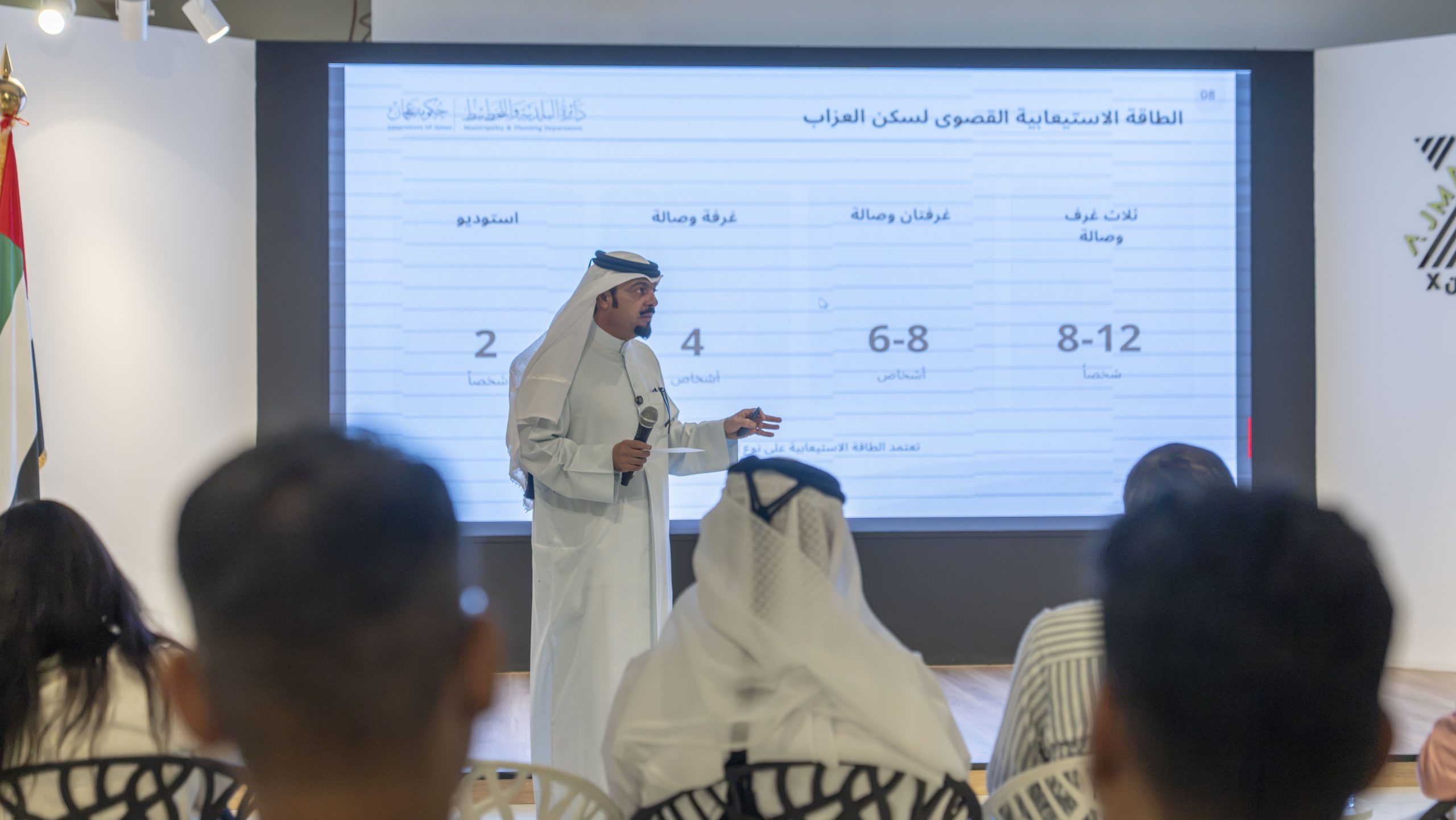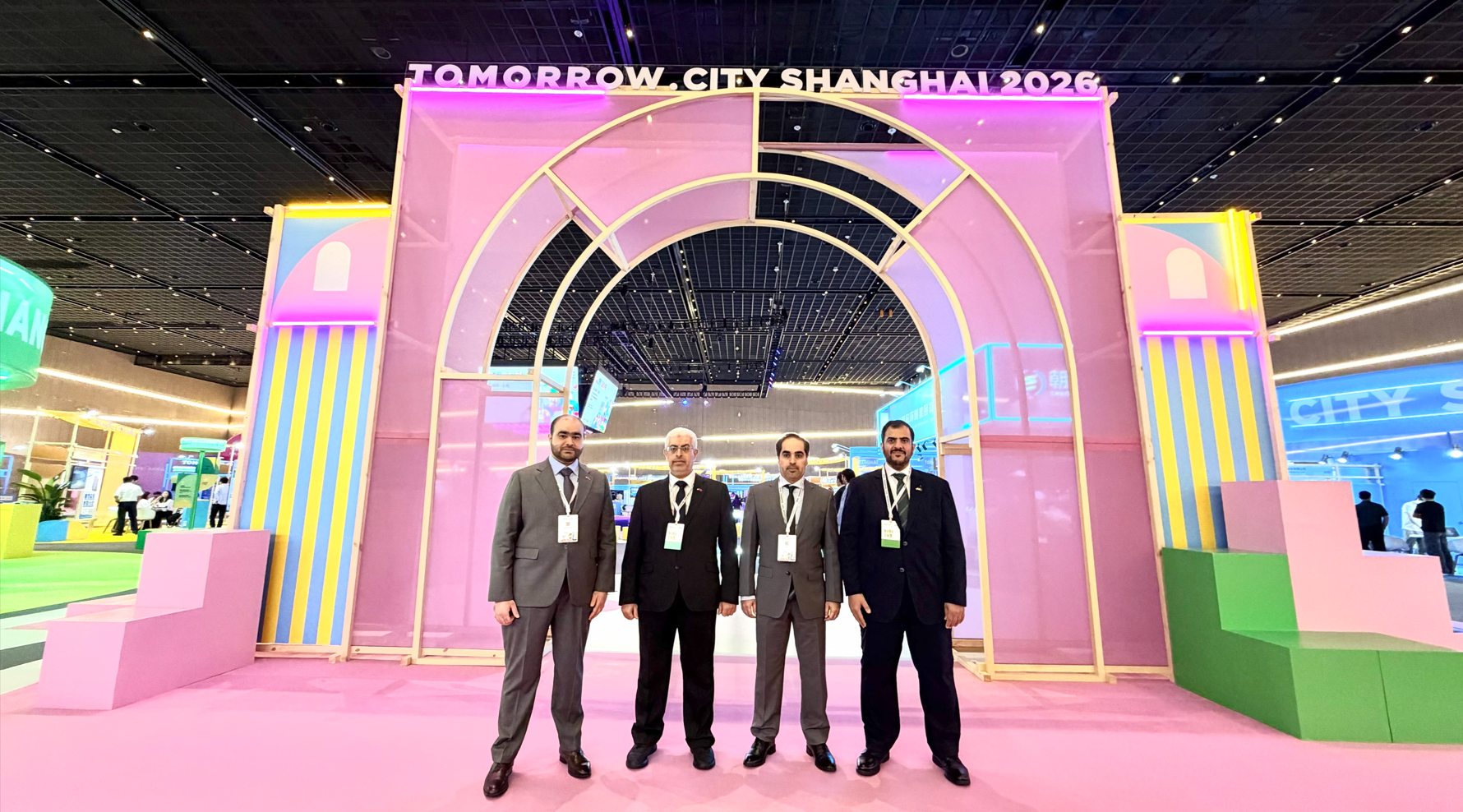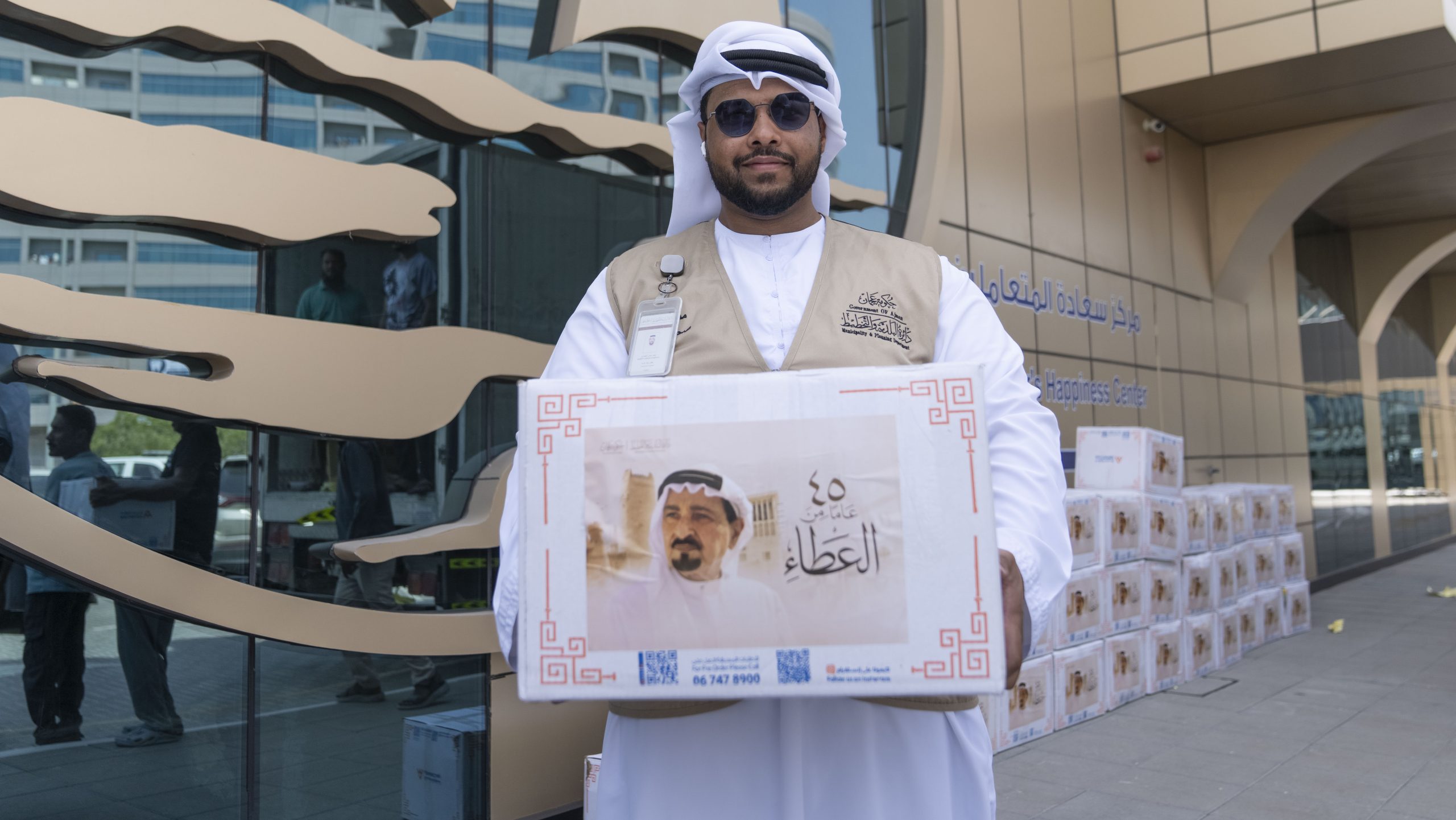


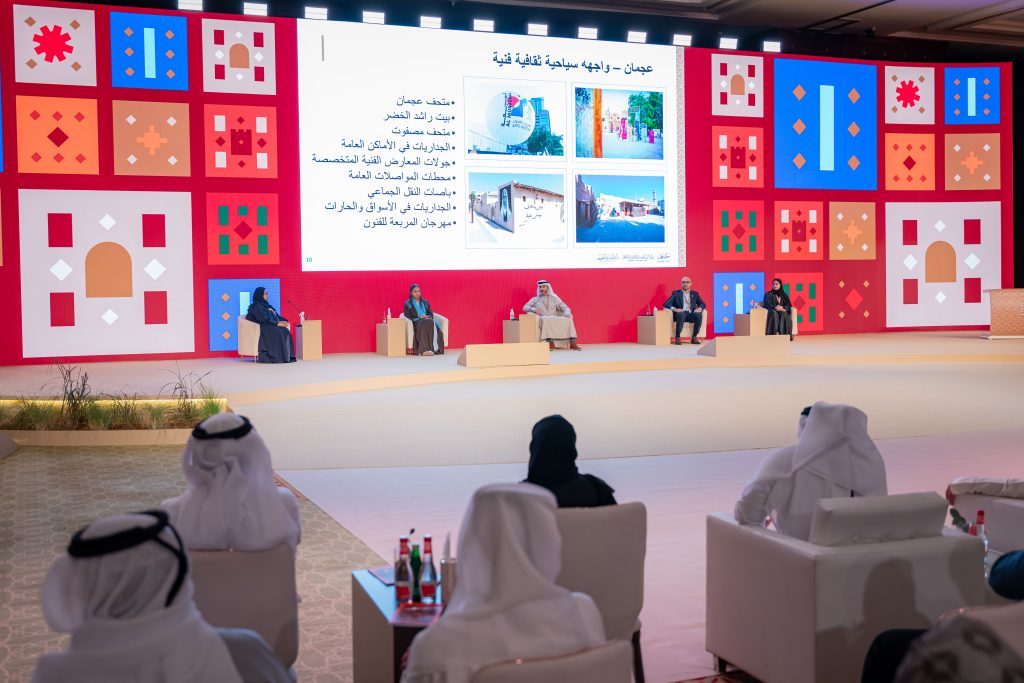
Participants in the 10th Ajman International Urban Planning Conference, organized by the Municipality and Planning Department – Ajman (MPDA) under the theme “From Our History, We Plan Our Future: Between Heritage, Art and Creativity, Innovation and the Future,” unanimously agreed on six recommendations encompassing the conference’s three main themes: urban planning, family and society, and arts and heritage.
The conference presented the recommendations that were contributed to by more than 44 speakers and experts from inside the UAE and abroad, along with a select group of academics, decision-makers and specialists in the fields of urban planning and urban development.
In this connection, Dr. Eng. Mohammed Ahmed bin Omair Al Muhairi, Executive Director of the Infrastructure Development Sector at the MPDA and Chairman of the Conference’s Higher Committee, asserted that the conference’s recommendations serve as a practical roadmap for developing urban planning in the Emirate of Ajman, noting that these recommendations will be submitted to the leadership to be utilized in supporting future policies and plans.
The conference embodied the MPDA’s commitment to strengthening integration between urban planning and the social and cultural dimensions, and to utilizing innovation and modern technologies in building sustainable cities that meet current needs and envision future requirements, while preserving national identity and cultural heritage, Bin Omair noted.
Recommendations Embodying Comprehensive Vision For Developing Urban Planning System
The recommendations included enhancing community participation by all segments and categories of society at all stages of urban planning, by involving residents in identifying needs and formulating visions, ensuring that projects align with community requirements and reinforcing the concept of human-centered planning.
The recommendations also include strengthening cooperation and integration between government entities, the private sector, and the community. This contributes to unifying efforts, exchanging expertise, and achieving greater efficiency in implementing urban projects and ensuring their sustainability.
The third recommendation focuses on emphasizing the role of art in urban planning as a key tool for embodying cultural identity and heritage, while stressing the necessity of adopting art and heritage as fundamental principles in planning from the earliest stages, rather than as an aesthetic element to be added later.
The recommendations also emphasize the preservation of architectural heritage amidst rapid change and development, and its integration into modern development projects, with the aim to achieve balance between the demands of urban growth and the preservation of architectural memory and local identity.
The recommendations call for drawing inspiration from the concepts and human and social values of traditional urban planning in contemporary planning, thereby strengthening social cohesion and restoring the principles of sustainability deeply rooted in the traditional urban fabric.
The recommendations wrapped up with stressing the necessity of employing artificial intelligence and modern technologies in studying urban areas, analyzing population needs, and developing proposals for improvement. This will contribute to enhancing the efficiency of planning processes and building optimal future urban scenarios based on data and knowledge.
It is worth mentioning that the conference serves as a leading beacon in continuing the march of sustainable urban development, opening channels for dialogue and knowledge exchange, thereby enhancing life quality and establishing the Emirate of Ajman’s position as a balanced urban model that combines tradition and innovation.