

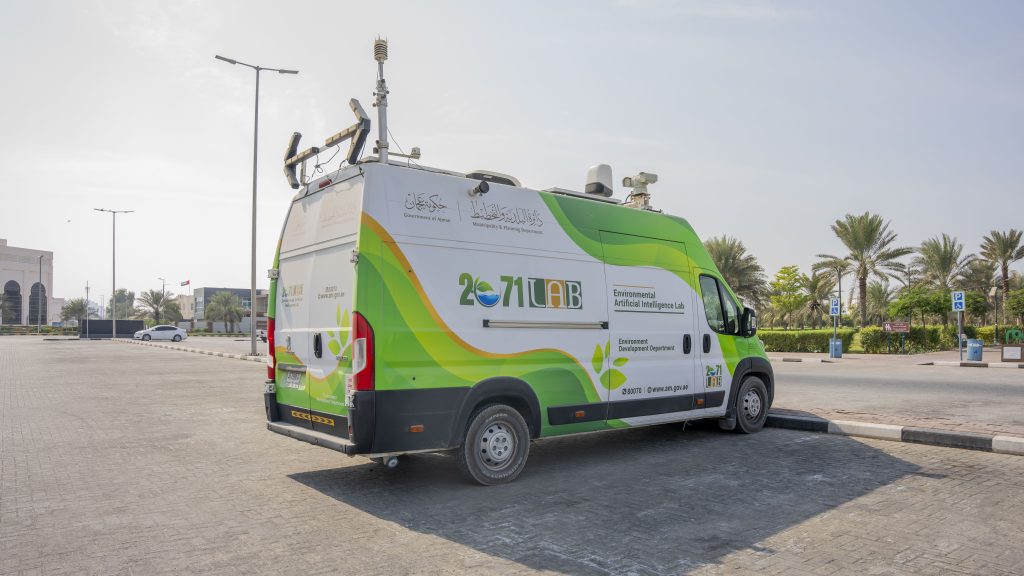
In 2026, the Ajman Municipality and Planning Department reached noteworthy environmental benchmarks as part of its commitment to fostering sustainability and enhancing its environmental management framework. Among these achievements were marked improvements in air quality and waste management metrics, along with the execution of strategic initiatives and projects aimed at elevating overall quality of life. These advancements align with the Department’s strategic goals, which focus on reducing pollution, facilitating the emirate’s transition to carbon neutrality, safeguarding biodiversity, conserving natural resources, and optimizing integrated waste management. These efforts also align with the Ajman 2030 vision to promote environmental sustainability.
In this context, Dr. Eng. Khaled Moein Al Hosani, Executive Director of the Public Health and Environment Sector at the Department, highlighted that sustainable work, intensified efforts, and the synergy of responsibilities were pivotal in advancing the monitoring and inspection systems, alongside optimizing the management of oil and grease waste. Furthermore, the Department rolled out high-impact environmental initiatives specifically designed to safeguard the environment and drive environmental compliance among facilities.
97.60% Air Quality in Ajman
Dr. Eng. Al Hosani explained that the air quality index recorded a rate of 97.60% of days with good readings during the first quarter of 2026, thus reflecting the success of the efforts made to reduce pollution sources, especially in urban areas. Additionally, the properly treated waste index reached 25%, indicating an improvement in the efficiency of waste management and an increased level of commitment to environmental procedures.
Highly Efficient Waste Management Surges by 161%
Turning to the management of oil and grease waste, Dr. Eng. Al Hosani highlighted a substantial surge in collected quantities during the first three months of the year when compared to the same period in 2025. Specifically, January saw 232,411 gallons compared to 101,642 gallons; February reached 210,872 gallons against 80,761 gallons; and March recorded 85,270 gallons compared to 34,866 gallons. This represents a growth rate ranging from 129% to 161%. This upward trend was attributed to the deployment of an advanced electronic system, enhanced precision in data logging, greater regulatory compliance coupled with an expansion in the number of operational facilities, and the continuous upgrading of inspection and reporting mechanisms.
Sustainable Environmental Initiatives
As part of its environmental initiatives, Dr. Eng. Al Hosani spotlighted the “Zero Carbon Schools” initiative. During the first quarter of the year, the initiative saw 60 schools officially registered, comprising 20 public and 40 private schools. Complementing this, awareness workshops were conducted to cultivate an environmental culture among students, alongside ongoing efforts to establish a specialized evaluation committee tasked with monitoring the implementation of the initiative’s criteria.
Furthermore, he pointed to the intensified environmental monitoring efforts, which have seen 500 inspections executed since the start of the year. These operations specifically targeted facilities dealing with chemicals and oils, activities with a high environmental footprint, as well as establishments situated in sensitive zones. The primary objective is to guarantee strict compliance with environmental stipulations and to proactively mitigate potential risks.
Current and future strategic projects
Regarding strategic projects, Al Hosani explained that the Department is working on operating a waste sorting line at the waste transfer station with a capacity exceeding 500 tons per day. This contributes to improving sorting operations, increasing the recovery of recyclable materials, and reducing waste directed to landfills. Projects also include sewage sludge treatment, hazardous waste treatment, and waste-to-energy studies, which support the trends of the circular economy.
He affirmed that these results reflect the continuous improvement of the environmental work system through effective policies and high-impact projects. He also emphasized the Department’s commitment to further developing environmental programmes and strengthening partnerships with the public and private sectors, in order to achieve a healthy and sustainable environment for future generations.