

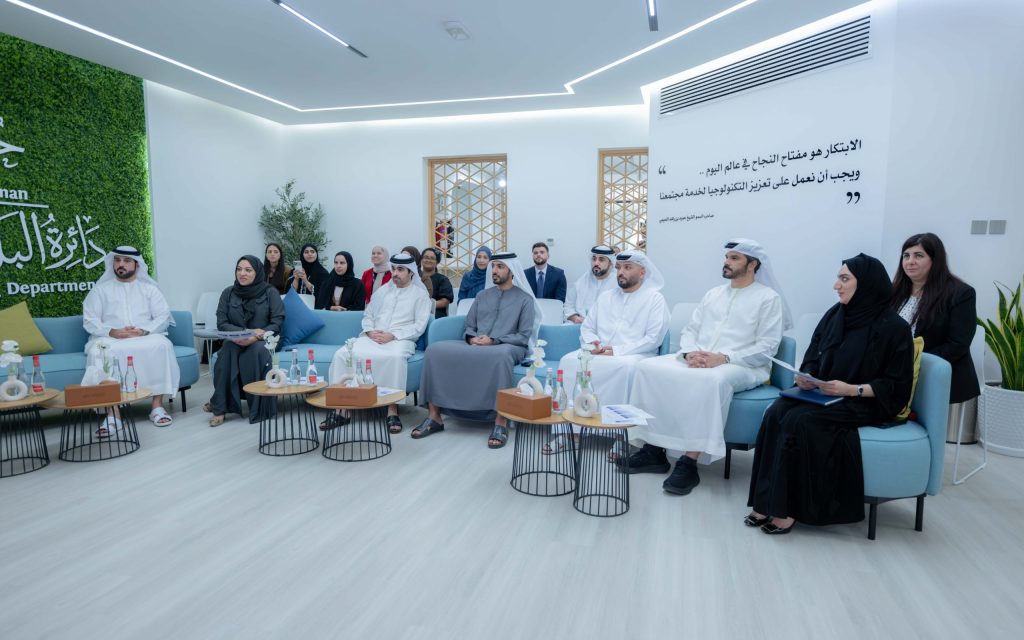
His Highness Sheikh Rashid bin Humaid Al Nuaimi, Chairman of the Municipality and Planning Department – Ajman (MPDA), reviewed Ajman’s vision for the integrated urban plan, which focuses on achieving best development outcomes by adopting an integrated, mixed-use, and livable urban model balancing the demands of growth with life quality, enhancing the Emirate’s position as a modern, sustainable, and people-centric city, in line with the Ajman Vision 2030 goals of creating a civilized and vibrant environment that enhances the Emirate’s attractiveness and life quality, and in accordance with the MPDA’s strategic objectives to ensure integrated urban management.
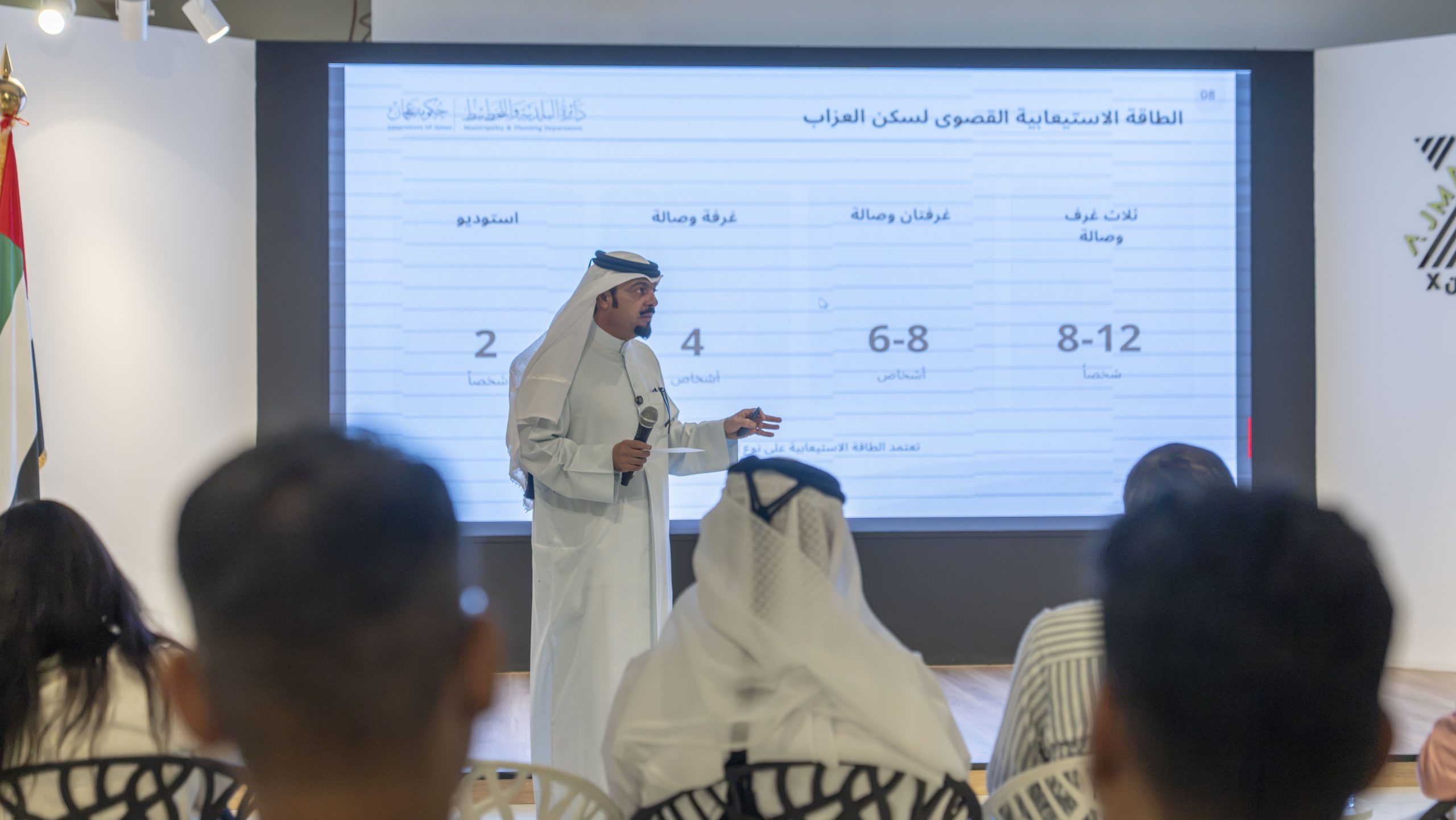
During the discussion session, attended by His Excellency Abdulrahman Mohammed Al Nuaimi, Director General of the MPDA, executive directors, and the team, His Highness Sheikh Rashid bin Humaid Al Nuaimi asserted that the plan should be flexible and adaptable to all rapid changes, and the urban planning should be dynamic, continuous, and sustainable process, constantly updated based on data collected from various systems.
Flexibility and Adaptability
His Highness also underscored the need to use artificial intelligence technologies to support the decision-making process, enabling the prediction of future needs and enhancing the efficiency of planning that combines flexibility and clarity. The MPDA is moving towards adopting a single, integrated plan that includes flexible and adaptable elements, along with clear and detailed implementation pathways that ensure ease of application, monitoring, and performance measurement, His Highness added.
Some areas in Ajman were developed more than 40 years ago, which necessitates clear development guidelines for each area to guide future projects, His Highness noted, adding that a number of areas have already undergone redesign and development, looking forward to continuing this approach to enhance the quality of the urban landscape and elevate the residents’ experience.
Sustainable Balance
His Highness pointed out that the vision supports continuous growth, achieving life quality, and delicate balance between urban expansion and community well-being, ensuring sustainable and integrated development, positioning Ajman as a competitive and attractive city for living and investment.
Comprehensive Plan
For his part, Dr. Eng. Mohammed Ahmed bin Omair Al Muhairi, Executive Director of the MPDA’s Infrastructure Development Sector, spoke about the plan geared towards concentrating urban growth in centers and neighborhoods. This supports easy walking, enhances community vitality, improves land use efficiency, and undermines unregulated expansion. The vision is also based on a system of precise performance indicators to measure progress, including the percentage of new development within urban growth boundaries or approved centers, and the percentage of residents who can access daily services within a 15-minute walk. This reinforces the concept of the “close city” that efficiently and sustainably meets the needs of its residents.
Dr. Eng. Alia Majlad Al Shamsi, Director of the Urban Planning Department and Project Manager of the Integrated Urban Plan for the Emirate of Ajman, asserted that the plan highlights several key areas, including mobility. It stresses the importance of building an integrated, multimodal, low-carbon transportation network, prioritizing public transport, walking, and cycling to promote healthy lifestyles and reduce congestion and emissions.
The vision also focuses on enhancing a green, resilient, and climate-responsive urban environment by protecting and developing greeneries and natural assets, supporting nature-based solutions, and raising the Emirate’s preparedness for climate change. In the same connection, the plan emphasizes effective land and infrastructure management that maximizes the value of investments, minimizes urban sprawl, and ensures efficient spending and resource sustainability.
It is worth mentioning noting that the integrated plan is based on upholding the Emirate’s authentic and distinctive identity and place-building principles. It underscores the importance of preserving Ajman’s heritage and strengthening its local identity, while developing high-quality public spaces that contribute to fostering community cohesion and a sense of belonging, reflecting the Emirate’s unique character and history within a modern development framework.